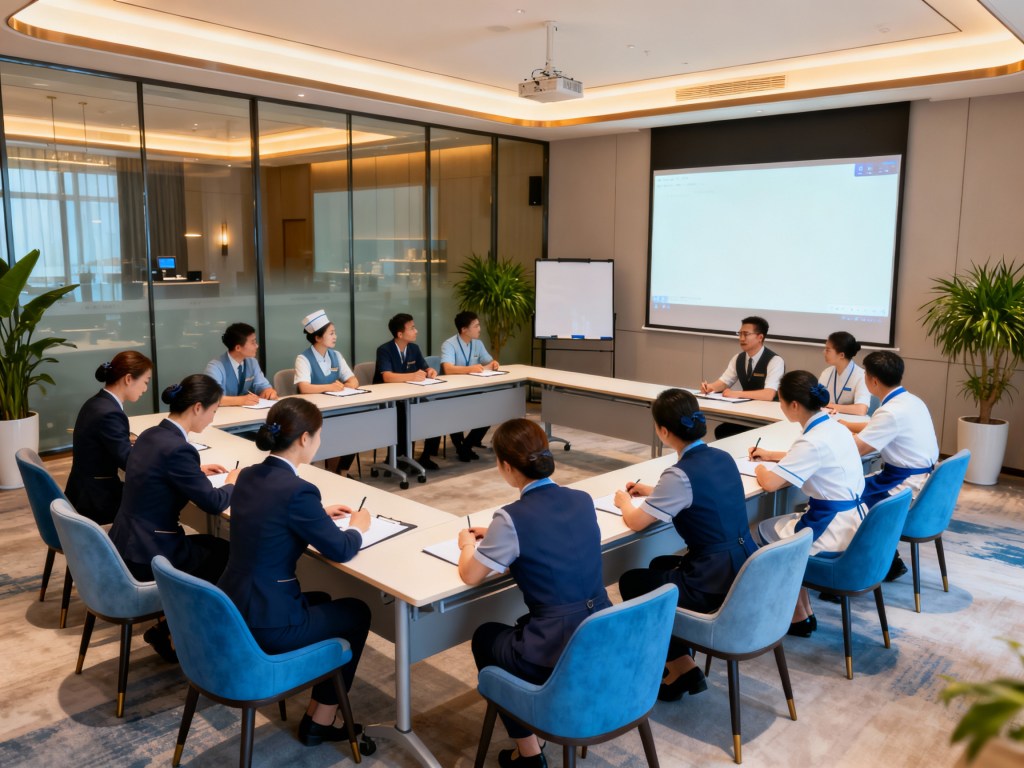
Cross-training in hotels means equipping employees with skills beyond their primary roles—creating agile, multi-talented teams that can step in wherever they’re needed. In an industry defined by peak seasons, staff shortages, and constant change, this approach is no longer optional; it’s a competitive advantage.
With nearly 20 years in hotel management and tourism marketing, I’ve seen cross-training elevate operations, guest satisfaction, and staff morale in remarkable ways.
Why Cross-Training Works
1. Greater Flexibility and Efficiency
When employees understand tasks across departments, hotels can fill operational gaps up to 25% faster, reduce idle time, and limit the need for temporary staff. Workflows become smoother, and service disruptions decrease significantly.
2. Stronger Team Collaboration
Cross-training builds empathy. When a front office team member has stepped into housekeeping—or when F&B staff understand event operations—collaboration becomes more authentic. This enhances problem-solving and strengthens workplace culture.
3. Higher Retention and Career Growth
Employees feel valued when their skills grow. As seen in several global hotel brands, cross-training initiatives can dramatically reduce turnover by giving staff clearer career pathways and a deeper sense of purpose.
4. A Better Guest Experience
Multi-skilled employees are more capable of resolving issues quickly and adding personal touches that elevate the stay. When staff understand the entire guest journey, service becomes more seamless and memorable.
How to Implement Cross-Training Successfully
1. Identify Overlapping Tasks
Start with departments that naturally interact—front office and housekeeping, F&B and events, maintenance and operations.
2. Create Structured Training Paths
Define timelines, objectives, and incentives. Blend job shadowing, micro-learning, and hands-on practice.
3. Use Digital Tools
Property management systems, scheduling apps, and learning platforms can help track progress and schedule sessions during off-peak hours.
4. Start with Leadership
Managers should cross-train first. When leaders understand multiple roles, they coach more effectively and lead by example.
5. Pilot, Measure, Refine
Begin with small groups, gather feedback, and adjust based on performance data. Sustainable cross-training evolves over time.
Success Stories That Inspire
- Village Hotels adopted a game-based cross-training approach where bar staff learned kitchen operations.
An impressive 97% preferred it over traditional training, and 52% even trained during personal time—a clear sign of engagement and ownership. - A global hotel chain redesigned its onboarding to include practical cross-training, mentorship, and mobile learning modules.
The result: new manager turnover dropped from 23% to just 7.85%.
These examples highlight what I’ve consistently seen in destinations I’ve worked with: when staff feel empowered, the entire guest experience improves.
What Do You Think?
Have you implemented cross-training in your hotel or tourism business?
Share your experiences in the comments—I’d love to hear how it worked for your team and operation.

 Tourism Knowledge Hub
Leave a comment